

Over years of playing online slots, I’ve discovered that one tool regularly sets apart casual dabblers from serious players: visualization https://pirots5casino.uk/. Games like Pirots 5 Slot run on Random Number Generators, of course. But the mental discipline of visualization shapes how you approach the game, how you focus, and the way you regulate your feelings. I’m not implying you can manifest a jackpot. I’m talking about training your mind to recognize patterns, handle your bankroll deliberately, and practice winning play in your head. This guide details nine specific visualization methods, developed by players who regularly engage with Pirots 5 Slot. You’ll discover how to build a mental structure that enhances discipline, improves observation, and promotes more thoughtful and fun gameplay.
Adjusting Methods for Distinct Game Mechanics
My last piece of advice is to personalize your visualization for certain game situations. Before starting a bonus round in Pirots 5 Slot, I’ll conduct a mental rehearsal: I see the bonus screen loading, I imagine myself watching the free spins or bonus game unfold without strong anticipation, and I get set for any decision points it requires. This eliminates the rushed, panicked decisions that enthusiasm can cause. Likewise, if I decide to use autoplay, I visualize setting the parameters with precision and then transitioning my role to that of a spectator, not a overseer. By customizing my mental rehearsal to these scenarios, I assure my controlled approach adapts to all elements of the game. It lets me savor the thrilling features entirely while preserving the identical degree of purposeful management I practice during the base game.
Integrating All Senses in Your Practice
Strong visualization activates more than seeing; it’s a full-sensory experience. When I get ready for a practice, I involve all five senses in my mental imagery. For Pirots 5 Slot, I imagine the exact click of the spin control, the unique musical stings, the visual flash of a winning line. I might even conjure the tactile sensation of my position or the weight of my gadget. This vivid, multi-sensory mental template builds a stronger, more immersive memory blueprint. When I enter the actual game, the real sensory feedback feels recognizable and less intense. This deeper training makes my visualization more powerful for creating calm and focus. It anchors me in the present instance of the experience, lowering the risk I’ll drift into a disconnected, “zoned-out” condition where autoplay runs on automatic and mindfulness fades.
Understanding the Strength of Cognitive Visualization in Slot Play
To begin, let’s clarify mental imagery for slots. It’s the intentional habit of creating psychological pictures and narratives about your gameplay. For Pirots 5 Slot, that might entail imagining the reel grid, the sound of a win, or the process of setting a loss limit. The brain science is convincing. When you imagine an action vividly, you stimulate many of the same neural circuits used during the real thing. This mental rehearsal builds comfort and reduces anxiety. I employ it to prepare a “blueprint” for my session before I log in. I imagine myself turning the reels calmly, recognizing small wins without fuss, and halting when I planned to stop. This pre-game programming trains my brain for disciplined play. That shift turns gameplay from a knee-jerk reaction into something mindful and preventive.
Following the Session Analysis Through Mental Review
My play doesn’t end when I close the game. I devote a minute on a post-session mental review. I mentally replay key moments: Did I stick with my planned bet sizes? What was my affective response during a losing sequence? Did I follow my stop boundary? I imagine these instances without self-criticism, just observing my own actions as if studying game tape. This mental review reinforces good patterns and spots soft points for next round. Maybe I see I jumped in too quickly; next time, I’ll imagine taking a slower, deeper gasp first. This technique ensures every game teaches me something, win or loss. It strengthens my mental framework and establishes a continuous loop of planning, playing, and refining.
Session Preparation: Establishing Goals
This method is the cornerstone of my practice. I never begin a game without it. I spend a few calm minutes, close my eyes, and inhale deeply to get focused. Then I intensely visualize opening the Pirots 5 Slot lobby. I envision myself selecting my bet size, not arbitrarily, but as a deliberate decision based on my bankroll for the day. I internally declare my session goals. These are never focused on winning a set figure. They’re more like “investigate the bonus features” or “play for twenty minutes to unwind.” I picture hitting the spin button with a sense of purpose, not anxiety. This ritual fulfills two purposes. It solidifies my intentions, which helps suppress impulsive urges. It also creates a tranquil, focused mood that I take into the actual game, making me less likely to chase losses or get carried away.
Envisioning the Game Environment
A key part of my pre-session routine is forming the game’s environment in my head. For Pirots 5 Slot, I picture the layout: the five reels, the different symbols, where the spin and autoplay buttons reside. I summon the color scheme and the small animations. This isn’t empty speculation. It’s a cognitive warm-up. By making my brain accustomed with the interface ahead of time, I reduce the mental effort required once I’m live. That releases my attention to watch for patterns and actually enjoy the game, instead of just figuring out where to click. The move into real play feels seamless, putting me in a state of calm preparedness. That’s the best headspace for taking clear decisions on a volatile slot.
Visualizing Budget and Loss Limits
Here, things get tangible. I see my session bankroll as a visible heap of chips or a specific number on screen. In my mind’s eye, I track this amount change as I place bets. Most importantly, I visualize my stopping point. I picture myself reaching my loss limit, sensing decisiveness rather than discouraged, and closing the game window without fuss. I even picture what comes next: fixing a coffee, browsing a news article. This mental film of controlled exit is a transformative idea. It frames stopping as a normal part of the plan, not a personal defeat. When the genuine instant arrives, my brain identifies it as the scene I prepared, which makes sticking to it much simpler. This method has pulled me back from the brink of more “just one more spin” decisions than I can count.
Creating a Long-Term Visualization Routine
Visualization is a technique. Its biggest payoffs come with consistent practice. I’ve integrated it into my daily life, not just my gaming time. This reinforces the neural “muscle” so it works effortlessly when I need it. For a few minutes each day, I do broad visualization exercises—imagining a walk in the woods in detail, for example. This refines my specific Pirots 5 Slot visualizations, making them faster and more automatic. I also keep a concise mental log, recalling one disciplined action from my last session. Over weeks and months, this constructs a solid mental architecture for responsible play. The routine becomes a practice that tells my brain it’s time to enter a focused, disciplined mode. Consistency turns these techniques from conscious effort into automaticity, embedding a model of controlled, intentional play deep within my approach to any slot.
Feelings Management Through Directed Visualization
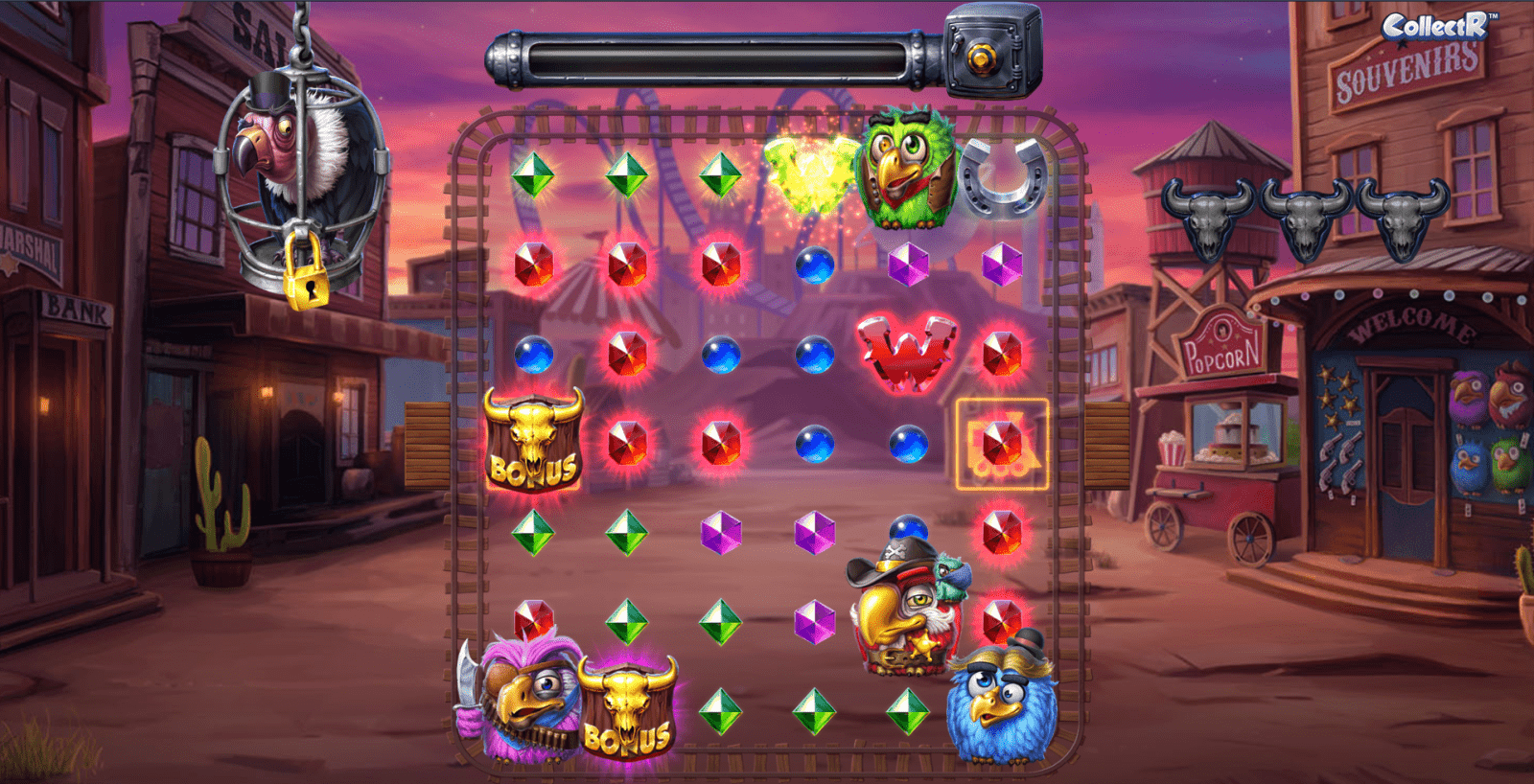
Reel games can bring you on an emotional ride. My main tool for keeping calm is guided imagery embedded within gameplay. When frustration bubbles up after a series of dead spins on Pirots 5 Slot, I don’t ignore it. I stop momentarily and imagine that irritation as a physical object—a hot stone, for instance. I envision myself letting it fall into a cool stream. If I feel over-excited after a win, I envision storing that energy in a vault and securing the door. These rapid, internal visual metaphors build distance between the feeling and my next move. They ensure a pause that prevents tilt-driven choices. This practice develops emotional durability, ensuring the session fun and my decisions based on the rational part of my mind.
Visualizing the “Big Win” Situation Free of Attachment
This approach is subtle but vital. I allow myself permission to imagine achieving a substantial bonus or top payout on Pirots 5 Slot in vivid clarity—the flashing reels, the triumph music, the increasing credit amount. Here’s the crucial part: I perform this while consciously separating from the result. I notice the exciting thought arise, then allow it to float away like transient weather. I engage in this to drain the intense emotional weight that surrounds the *idea* of a huge win. By repeatedly exploring this scene in my thoughts without allowing it to dominate my reactions, I strip it of its driving force. When a respectable win genuinely happens, I’m better ready to manage it composedly. This avoids “big win fever,” where players often wager their gains back right away, because the experience feels less like a shocking surprise and more like a positive but managed event.

Real-time Visualization for Trend Recognition
Once the session commences, my visualization transitions from preparation to active observation. I understand every spin on Pirots 5 Slot is independent. But human brains are wired to seek patterns. I use visualization to consciously monitor the game’s flow. For example, I might mentally note when high-value symbols cluster close together, even if they don’t complete a payline. I visualize the timing between bonus triggers over a block of spins. The goal isn’t prediction. It’s about staying engaged and alert. I build a mental chart of the session’s volatility, envisioning the highs and lows. This practice keeps me analytically present, converting passive viewing into active tracking. It helps me gain a feel for the game’s rhythm, which can guide my instinct on when to make small bet adjustments (always within my pre-set rules) or when to just relax and watch.